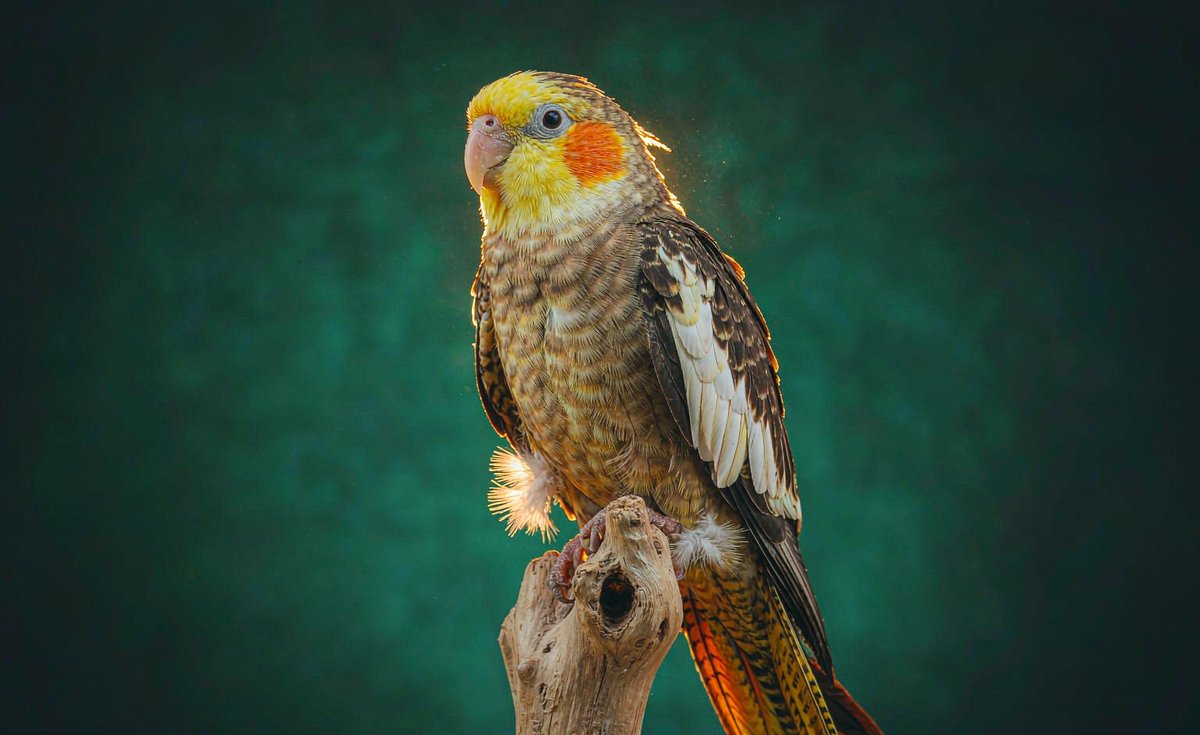
Parrot owners often ask: why is my bird molting so messily and picking feathers? Conclusion first—molting is a high-cost "rebuild project" for birds; feather main component is keratin, and this stage clearly raises demand for protein and sulfur amino acids. Under-nourished, you commonly see uneven feather tubes and brittle feathers; severe cases pick feathers.
1. Three groups to focus on during molt
- Quality protein and sulfur amino acids (methionine, cysteine): the raw material of feathers;
- B-complex vitamins: feather and energy metabolism;
- Trace elements like zinc and selenium: feather-tube formation.
2. The most common trap: seeds only
Seeds are high-fat with an incomplete amino-acid profile; long-term seeds-only makes feather color dull and molting drag. My advice: balanced species-specific food as staple, seeds as treats or training rewards, controlled.
3. Four things in the cage
- Keep balanced species-specific food, plus a little washed, portion-controlled fresh produce (less high-sugar fruit);
- Stable sleep and routine, less fussing (moving, cage changes, noise are all stress);
- Regularly check for external parasites like feather mites; if found, see a vet;
- Cage clean, suitable temperature/humidity—skin is more sensitive during molt.
If feather-picking, long-term uneven feather tubes, lethargy, or weight loss appears, find an avian vet. Our small-pet nutrition core has always been one rule: base diet first, supplements are the cherry, not a replacement. See Buying Guide and Ingredient Encyclopedia.
Note: this is nutritional science, not treatment advice, and not a substitute for an avian vet's diagnosis and treatment.